CADET PROGRAM
BUILD YOUNG AVIATORS, ONE STEP AT A TIME
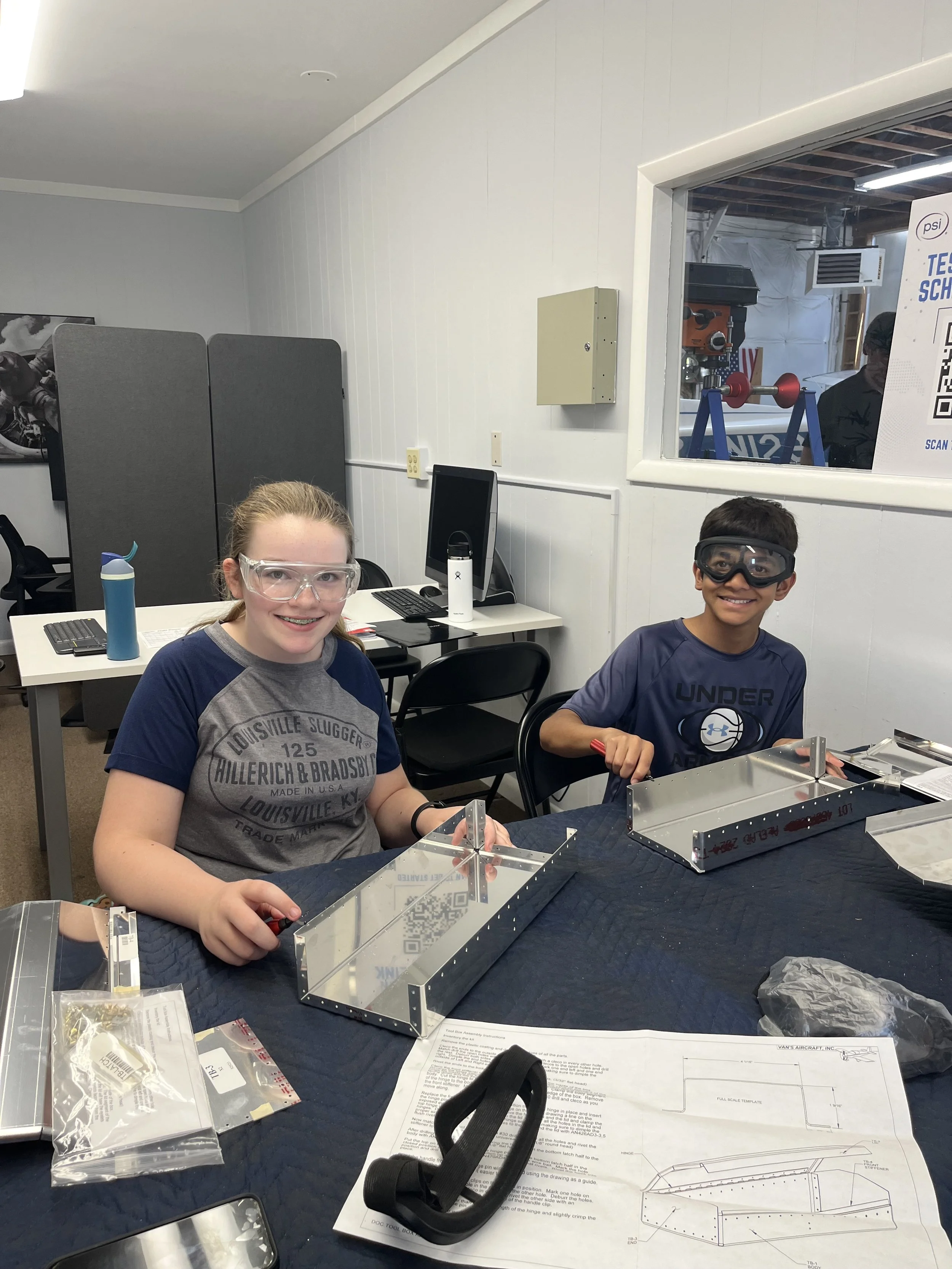
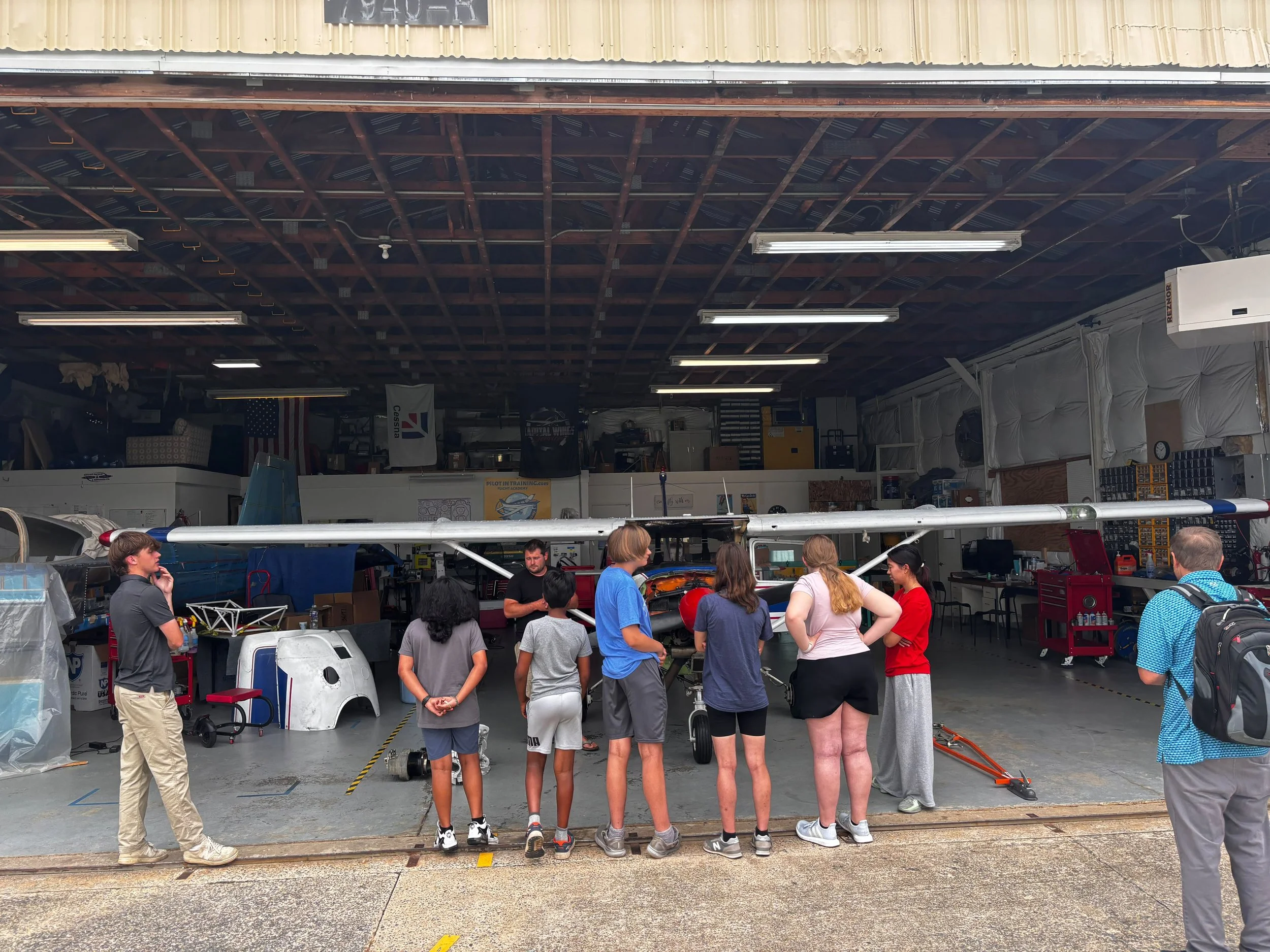
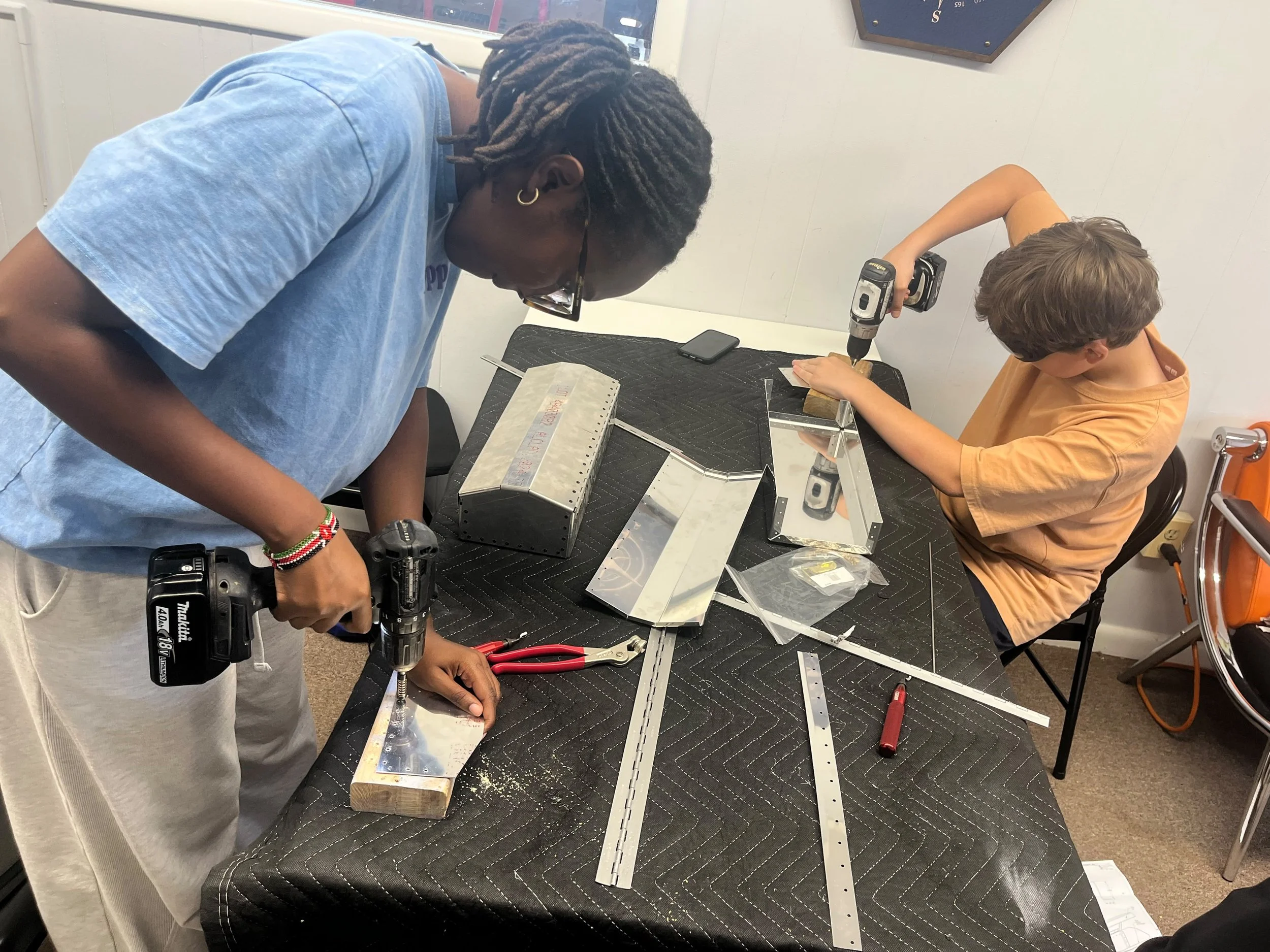
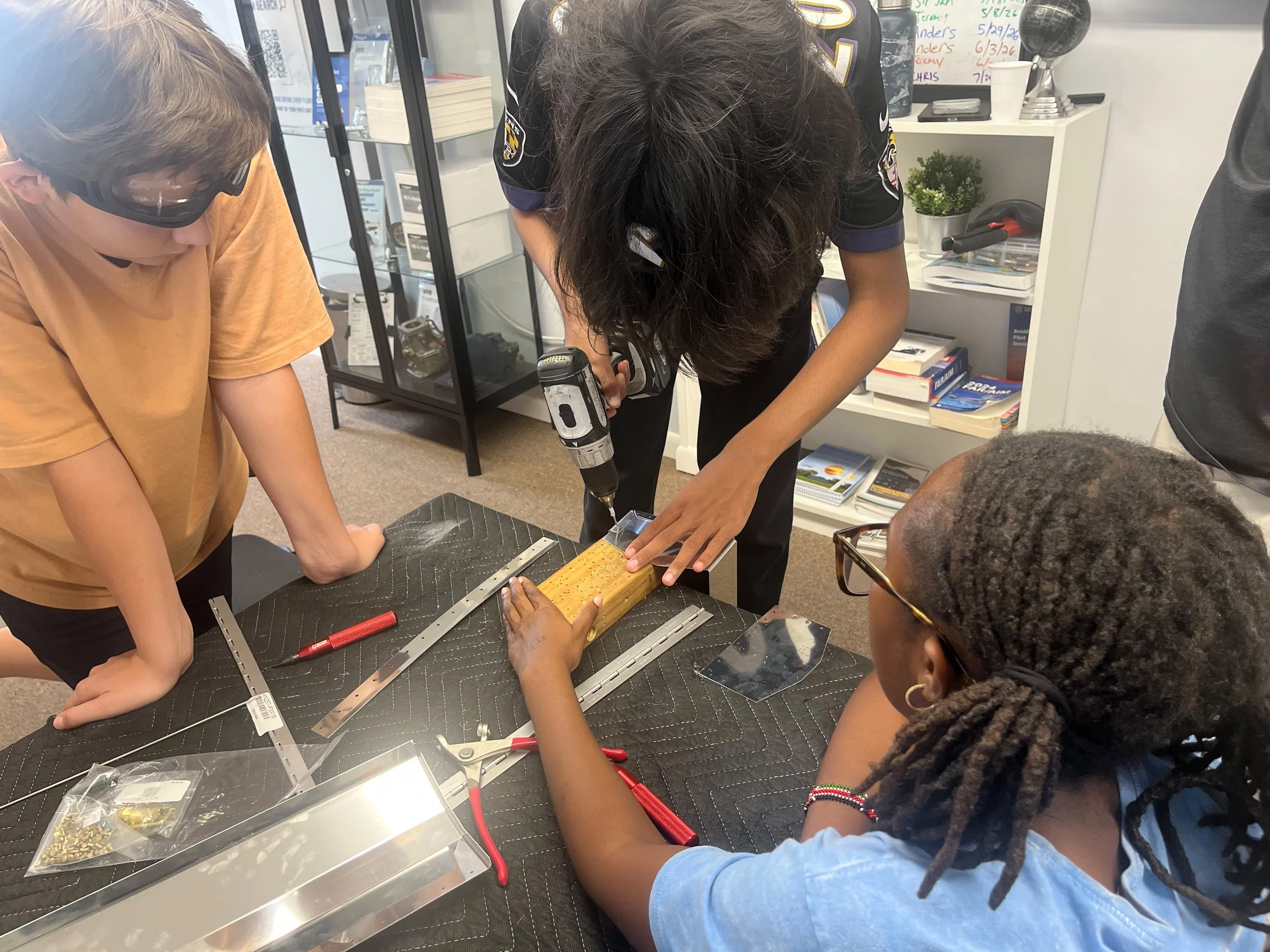
At Pilot in Training Flight Academy, our Cadet Program is designed specifically for young students who are interested in aviation and want to begin building the knowledge, skills, and experience necessary to become a pilot. Because there are specific age requirements for each major milestone in flight training, our program is structured to allow students to progress at an age-appropriate pace while keeping them engaged and excited about aviation.
Understanding the Pilot Training Milestones
There are three important age milestones that help determine how a young student can progress through flight training:
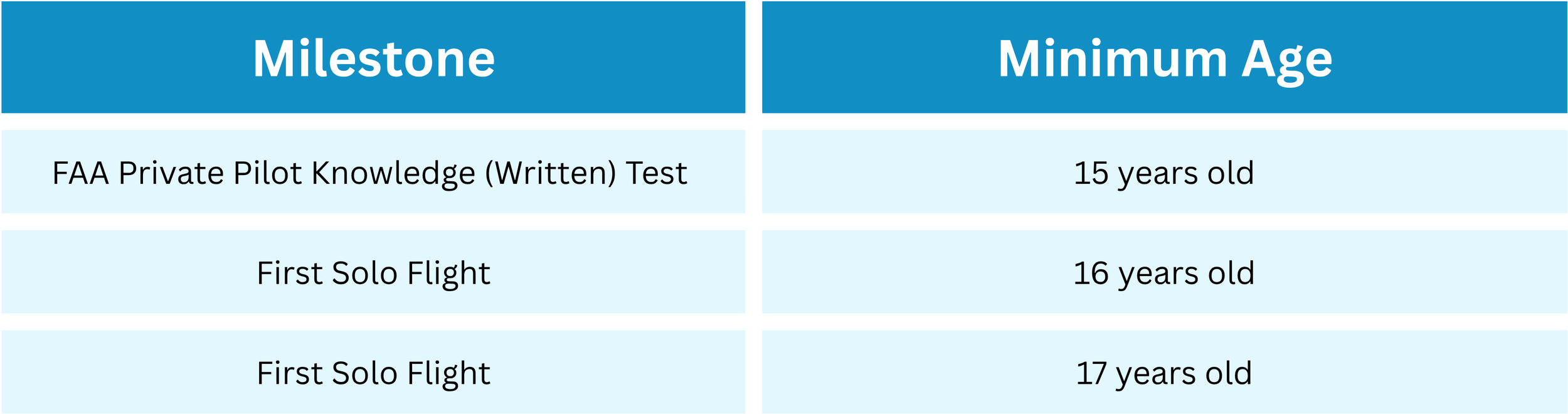
These age requirements are an important part of how we structure our Cadet Program. A student may begin learning about aviation and receiving flight instruction well before they are old enough to solo or earn their license. However, they cannot advance beyond certain stages until they reach the required age. Our goal is therefore not to rush young students through flight training, but to build their knowledge, confidence, and skills progressively so that they are well prepared when they reach each milestone.
The Importance of Ground School
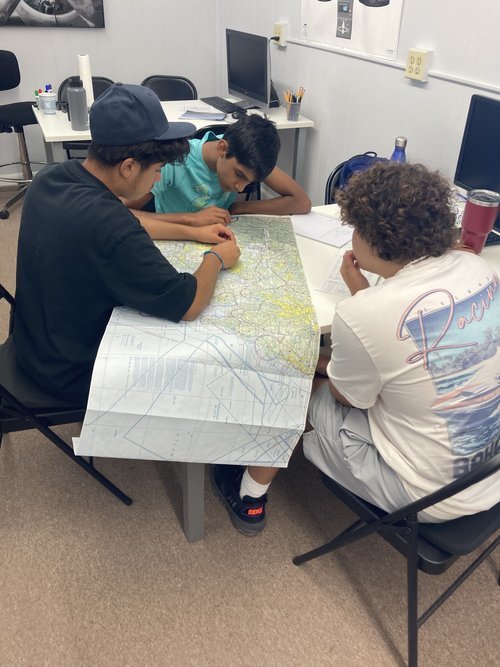
Ground school provides the theoretical foundation behind everything a pilot does in the airplane. Students learn subjects such as aerodynamics, weather, airspace, navigation, aircraft systems, regulations, safety, and flight planning.
For students working toward their Private Pilot License, the FAA knowledge test is an important milestone. Before taking the written test, a student must have the appropriate endorsement from an authorized instructor or flight school confirming that they have completed the required preparation and are ready to take the examination.
For this reason, we highly recommend that our older cadets begin with ground school. Building a strong theoretical foundation before stepping into the airplane allows students to better understand why they are doing what they are doing in the cockpit. It can make flight lessons more productive and help students connect the concepts they learn in the classroom with what they experience in the aircraft.
For younger cadets who are not yet approaching the written-test age, it is acceptable to begin flying little-by-little first, but ground school can still be a valuable way to introduce aviation concepts and build a foundation for future training.
HOW THE CADET PROGRAM WORKS
Training is built around three key components:
1. Ground School
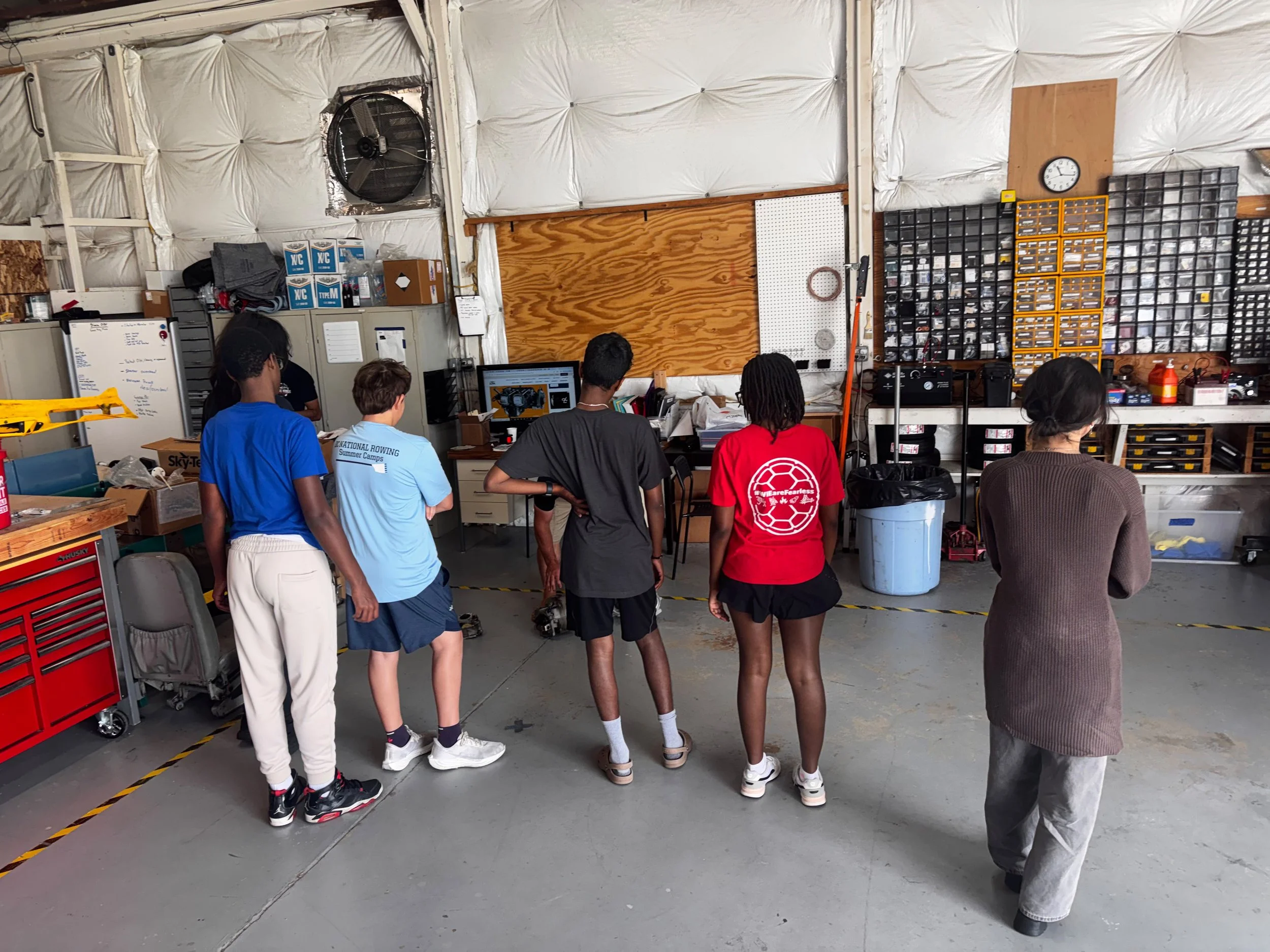
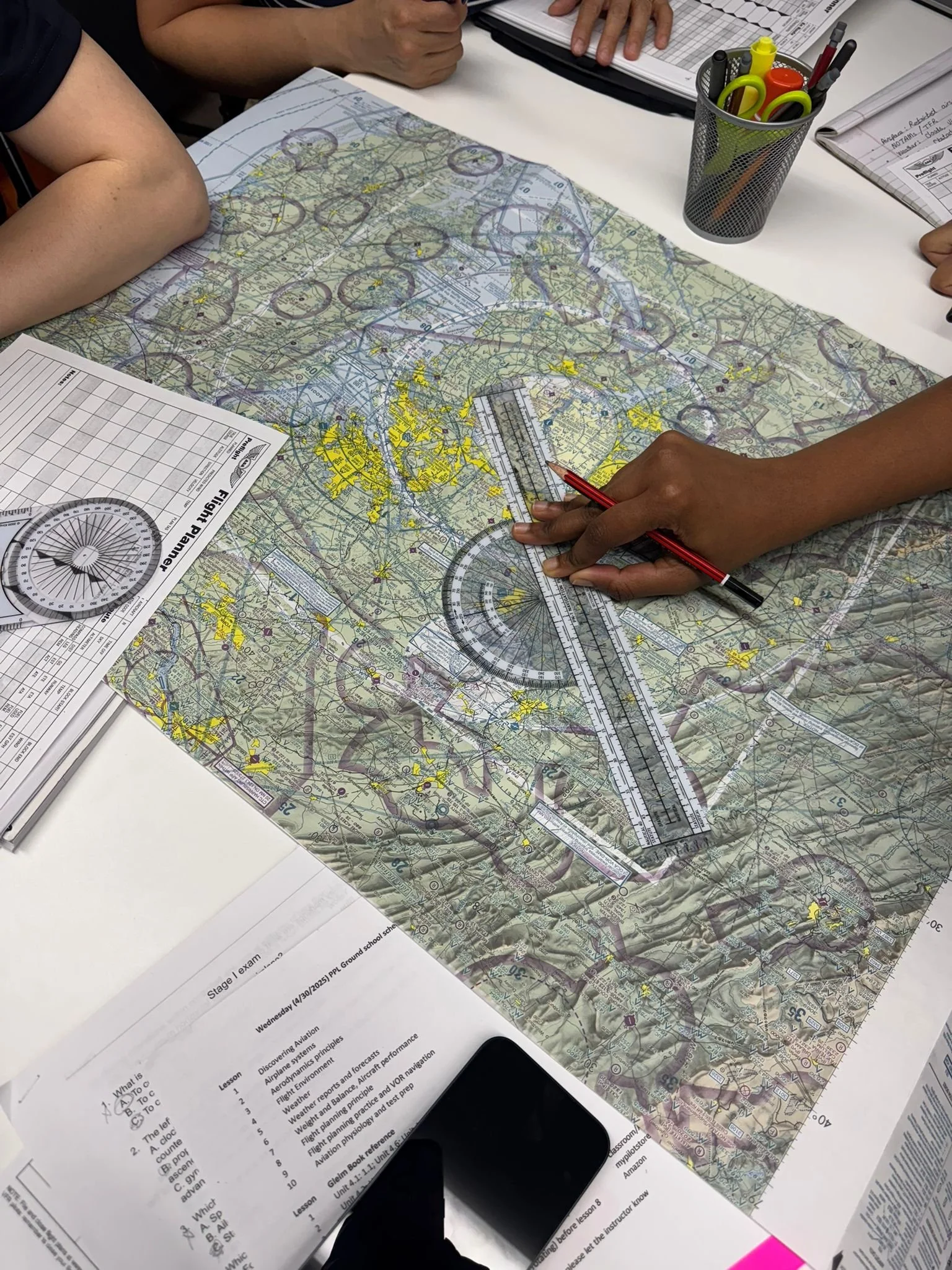
Cadets will participate in our Private Pilot Ground School, where they will learn the fundamental concepts needed for flight training, including:
Aerodynamics
Aviation weather
Airspace
Navigation
Flight planning
Aircraft systems
Aviation regulations
Aviation safety
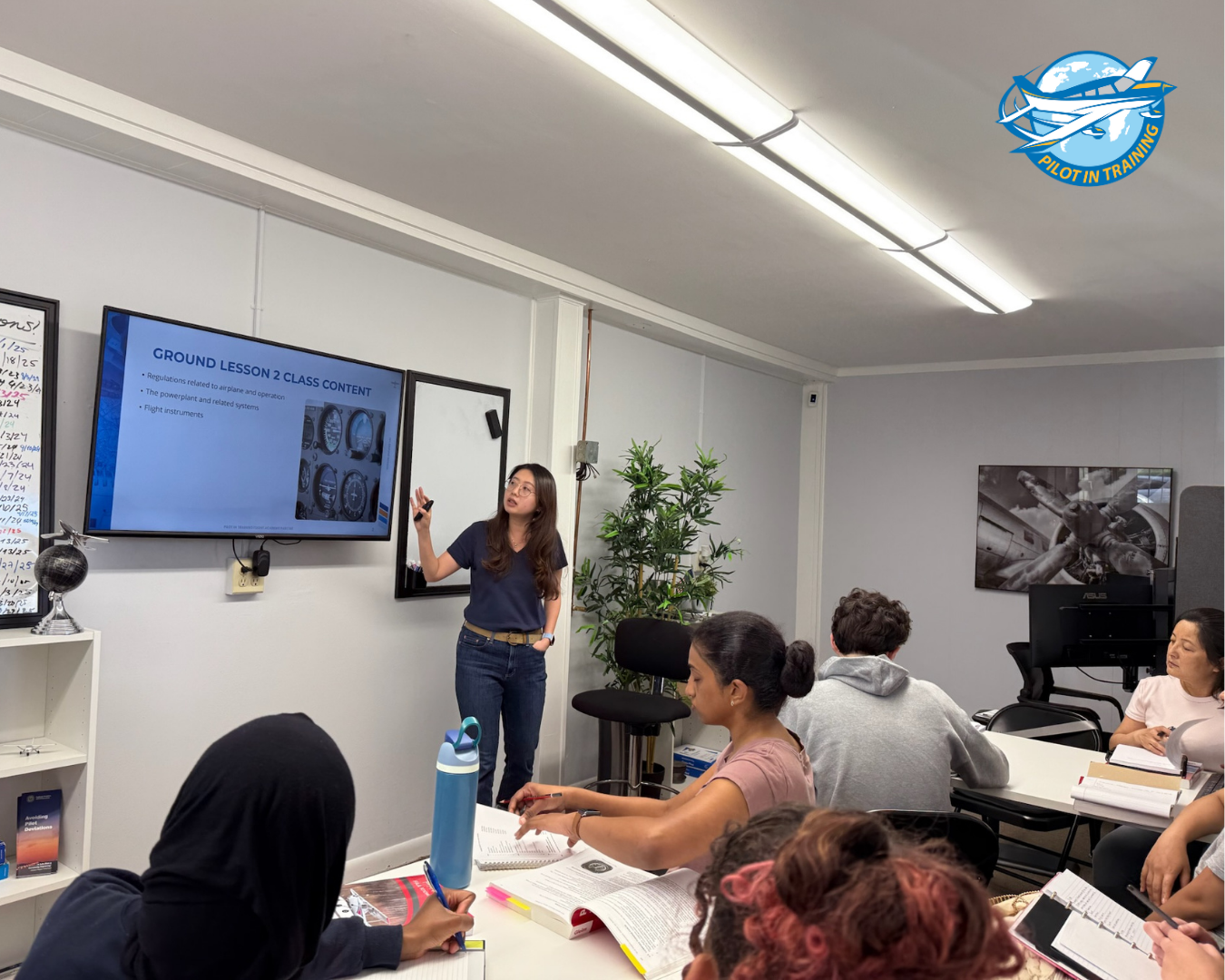
Ground School Schedule
10 weeks
One evening per week
6:30–9:00 PM
Classes offered Wednesdays or Thursdays
Maximum of 8 students per class
Tuition: $750
For older cadets, we strongly recommend completing, or at least getting halfway through ground school before beginning regular flight training so they can enter the cockpit with a solid understanding of the theory behind flight.
2. Flight Lessons
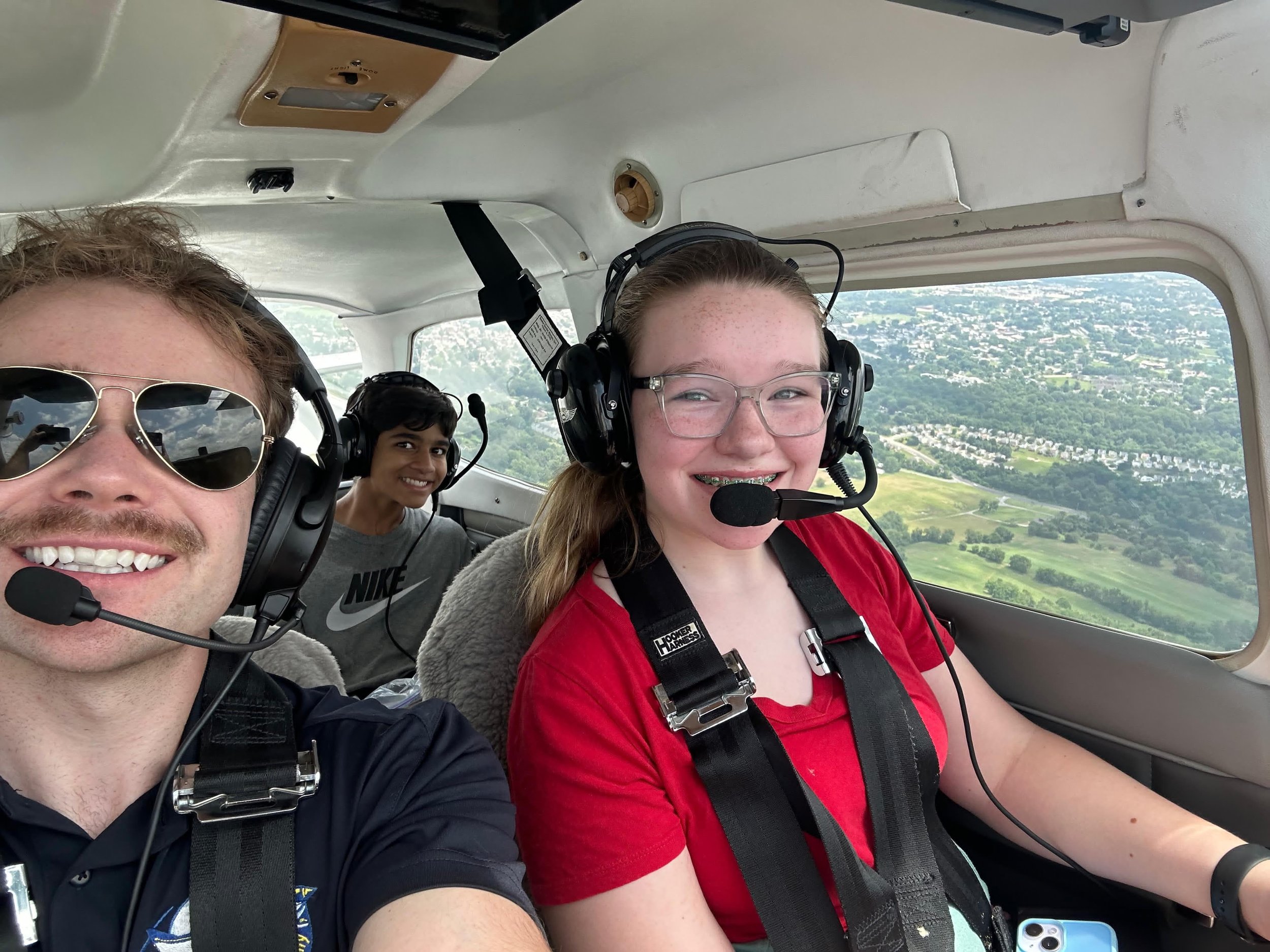
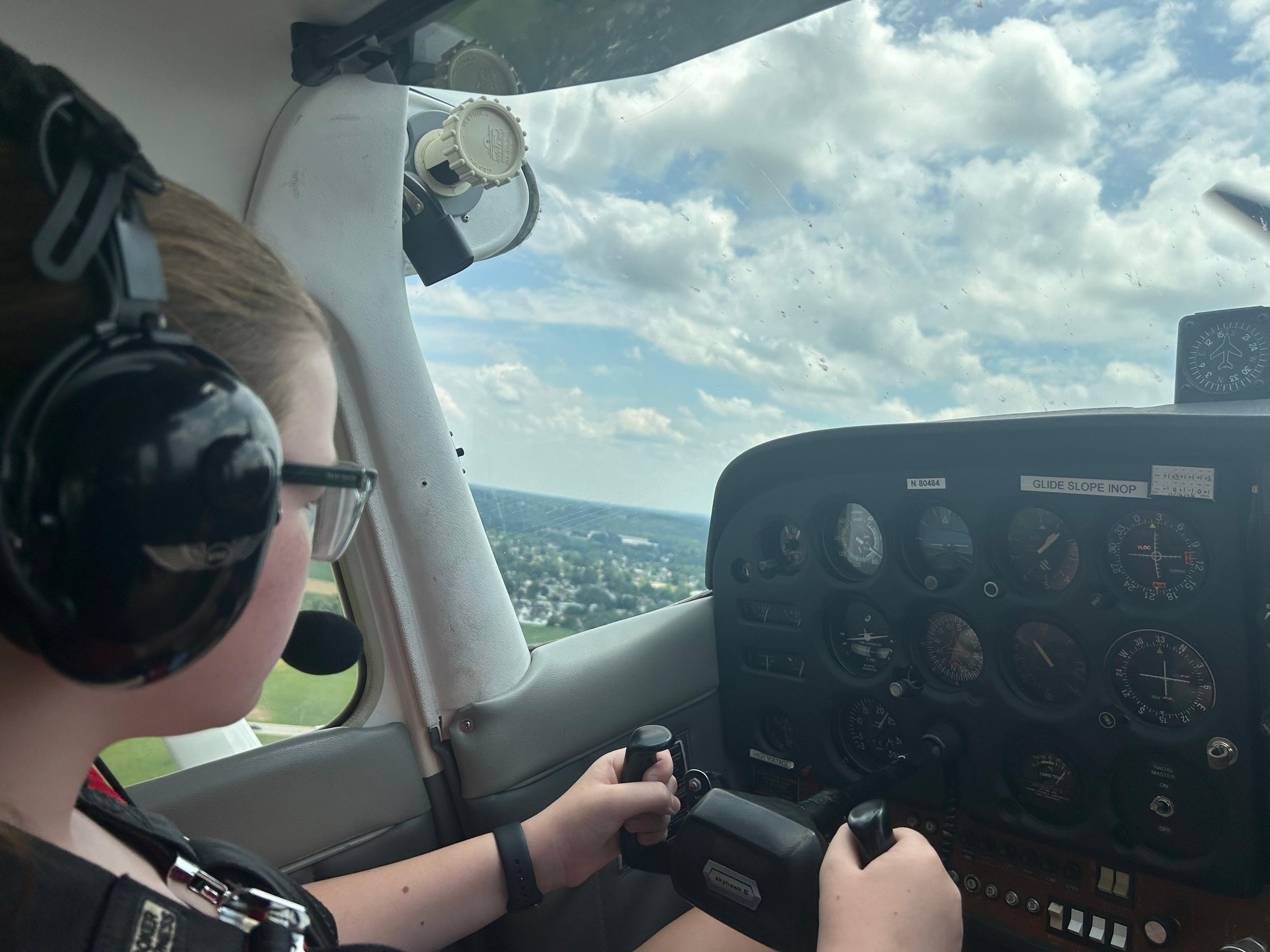
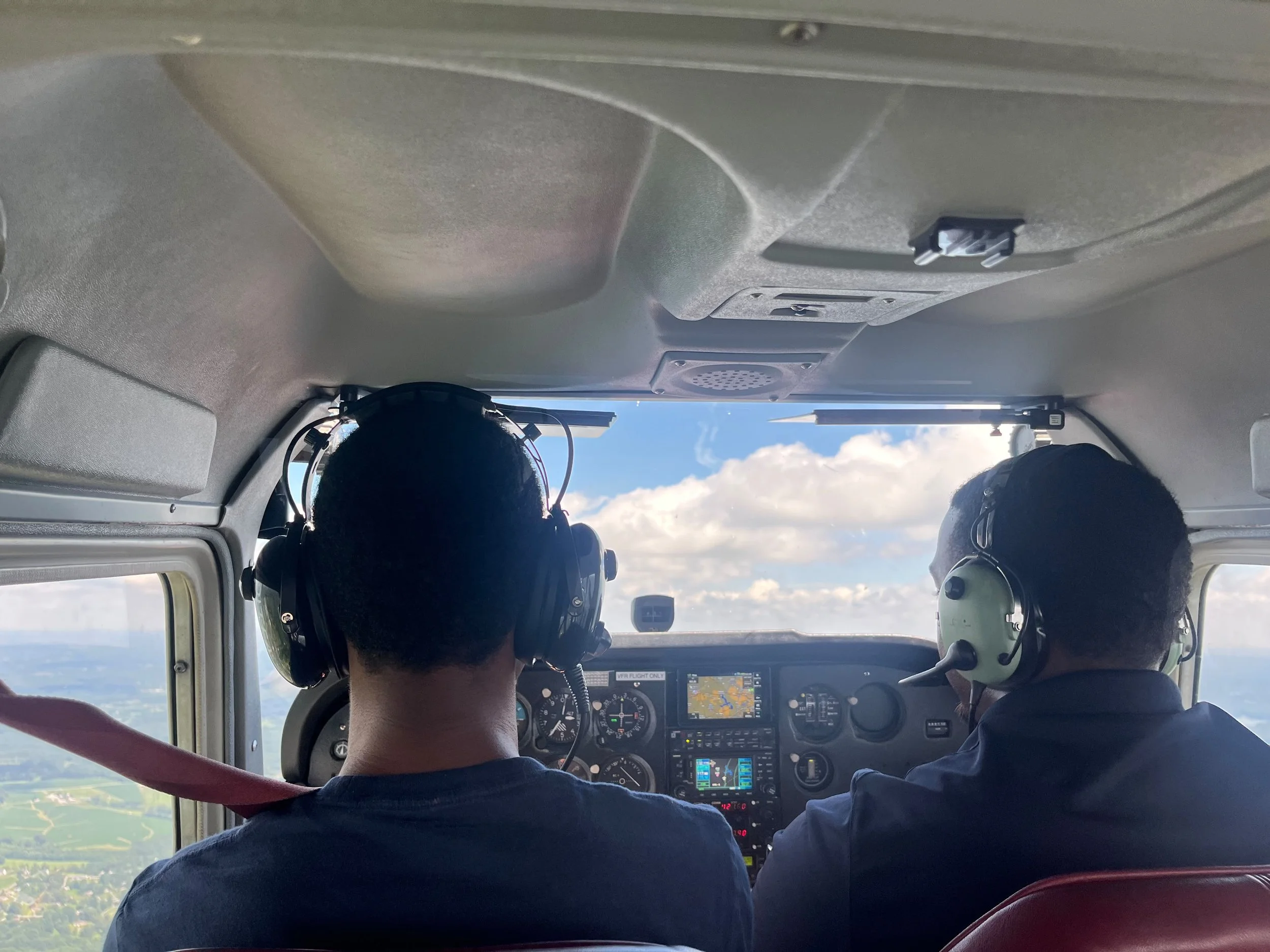
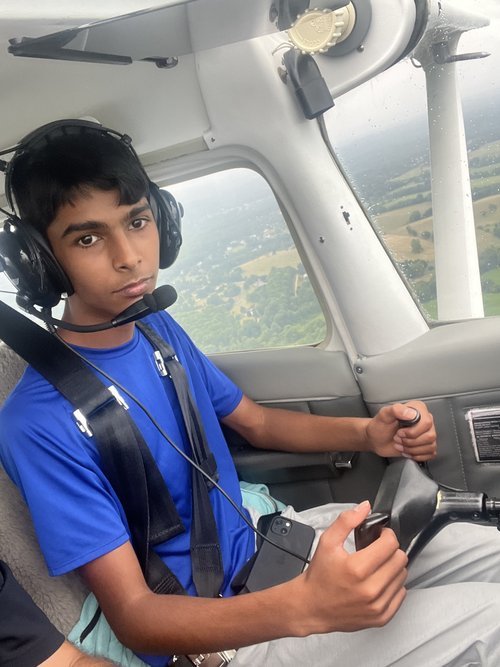
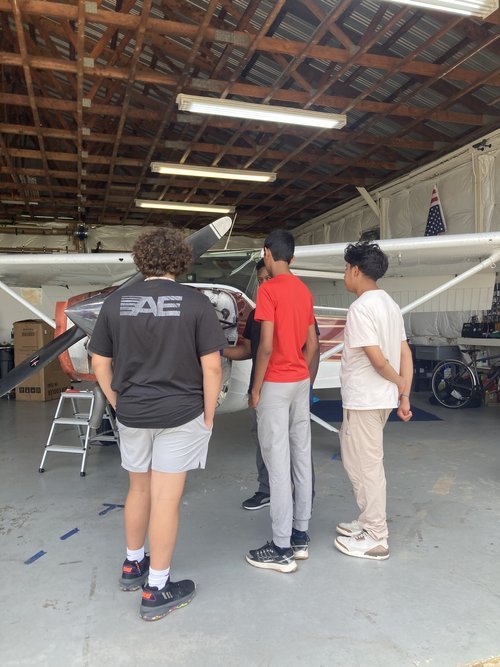
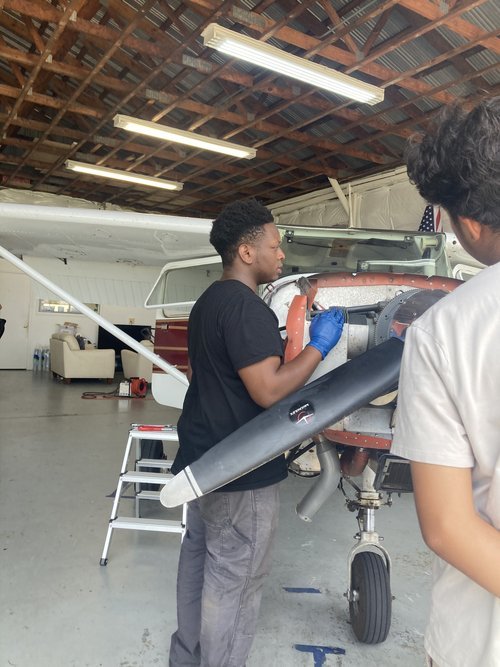
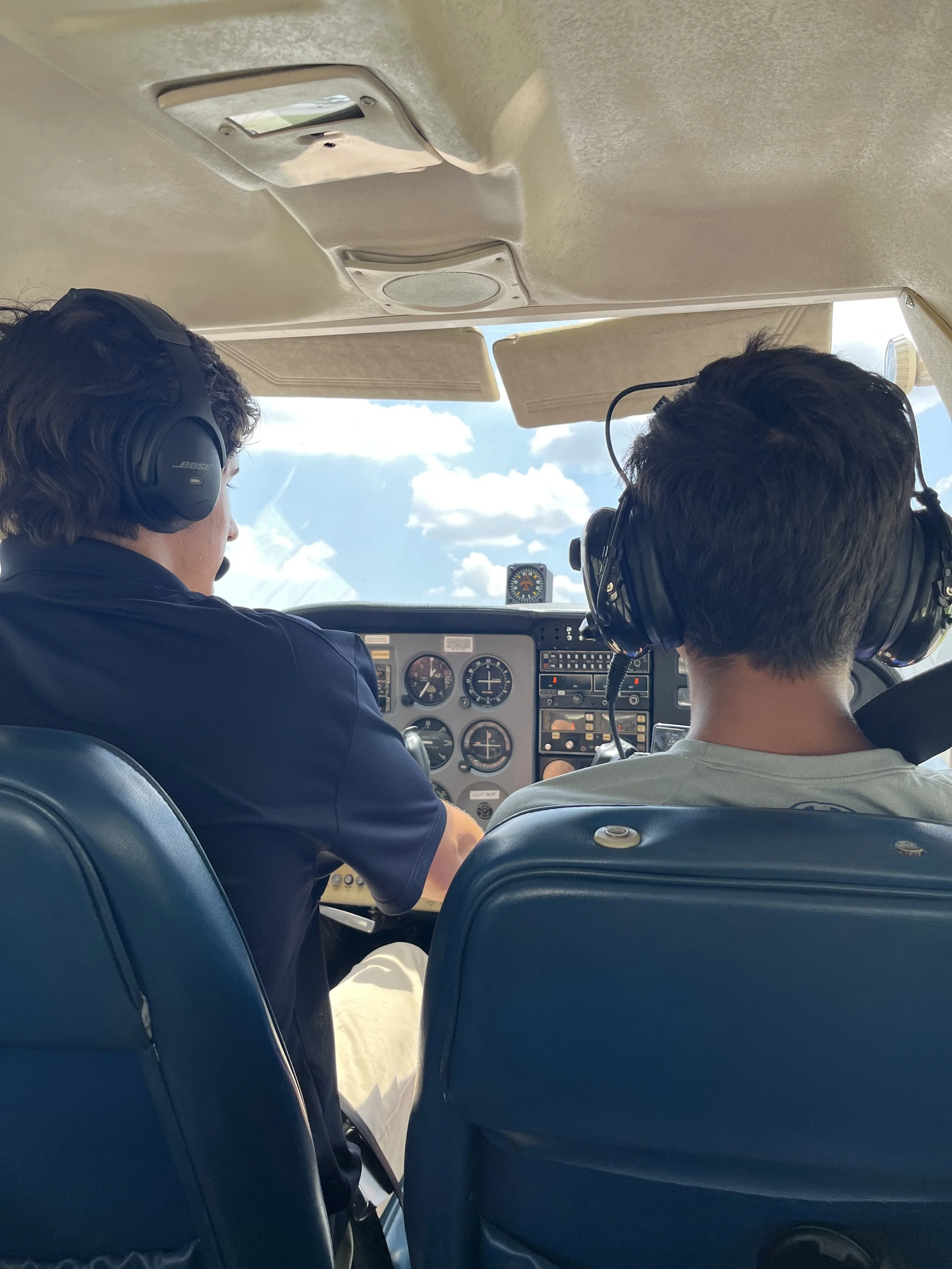
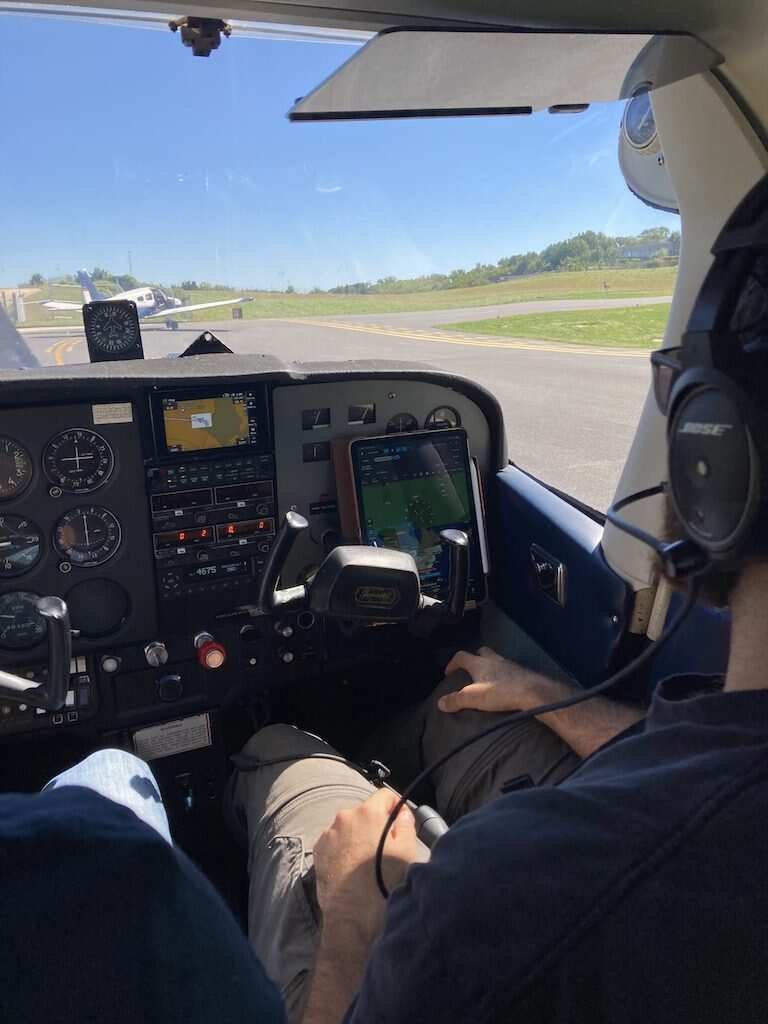
Flight lessons give cadets hands-on experience with one of our Certified Flight Instructors (CFIs). Students gradually become more comfortable in the cockpit while developing foundational flight skills.
Because students cannot legally solo until they are 16, we recommend spacing flight lessons according to age. This allows cadets to continue learning and developing their skills without progressing too quickly through training before they are legally able to move on to the next stage.
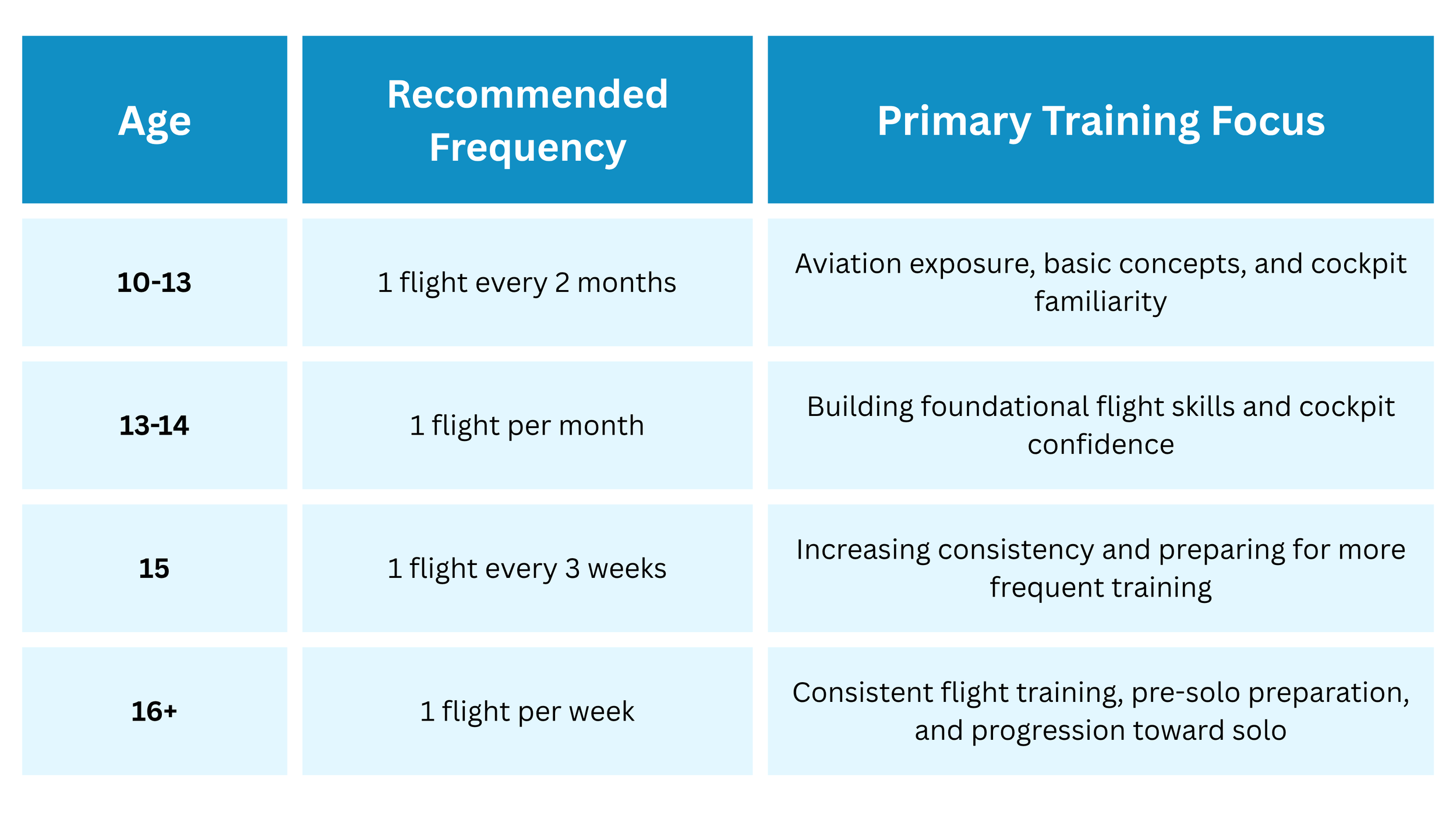
These frequencies are recommendations rather than requirements. We recognize that every family has different goals, schedules, and budgets, and we are happy to suggest a training plan accordingly.
The purpose of spacing out flight lessons for younger cadets is to ensure that students are learning and making meaningful progress while remaining mindful of the age-related limitations on their training.
3. Simulator Sessions
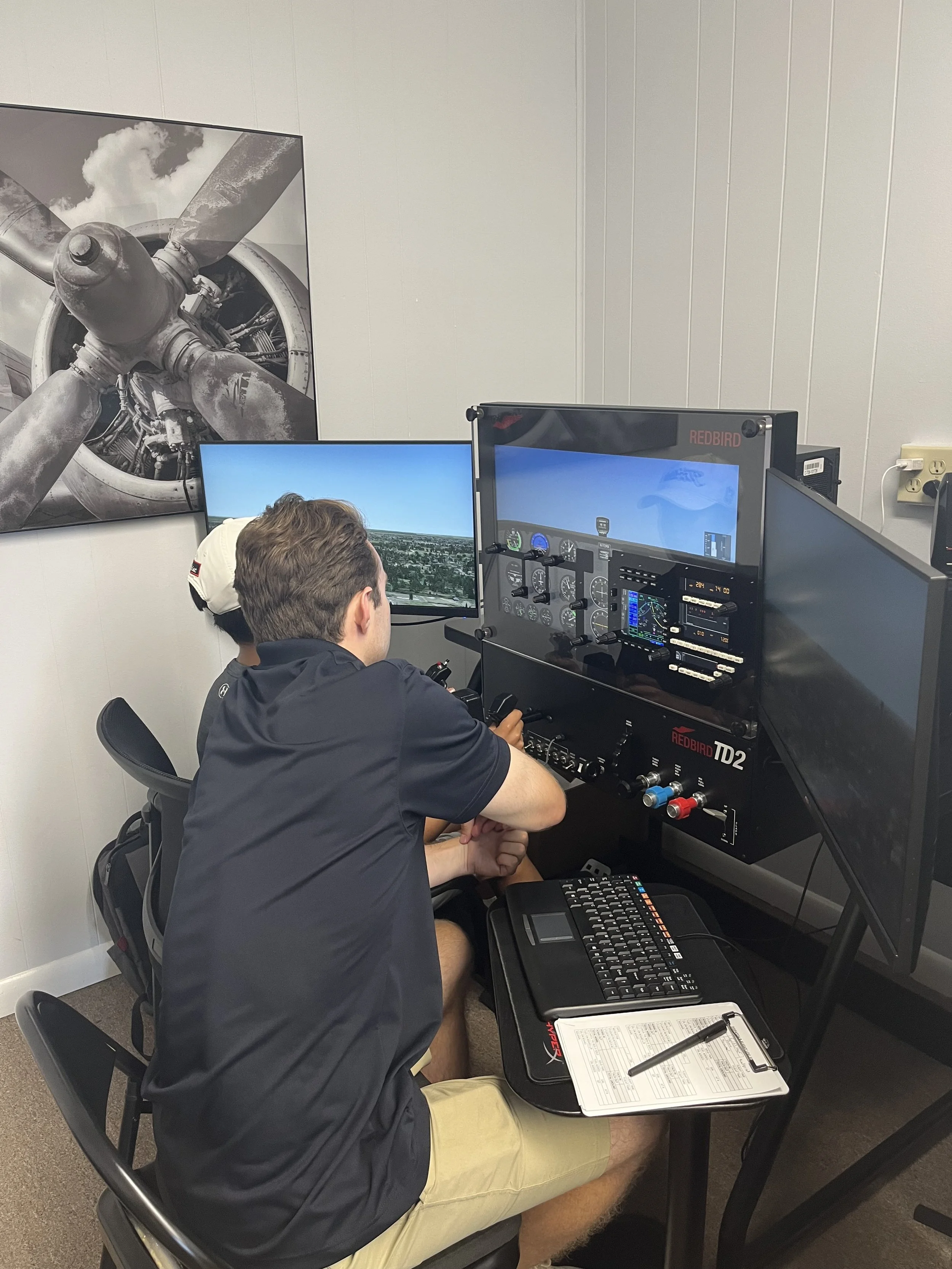
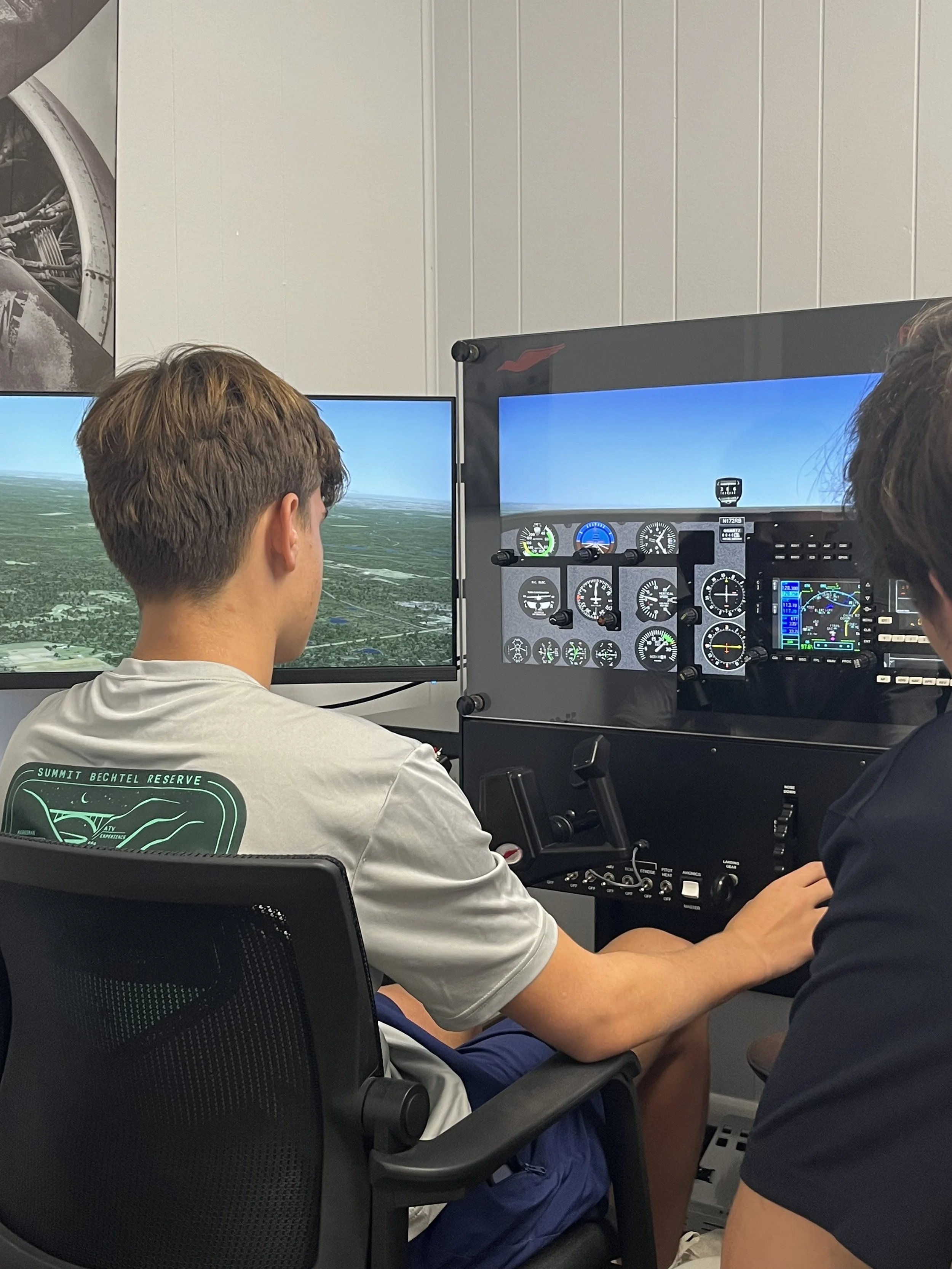
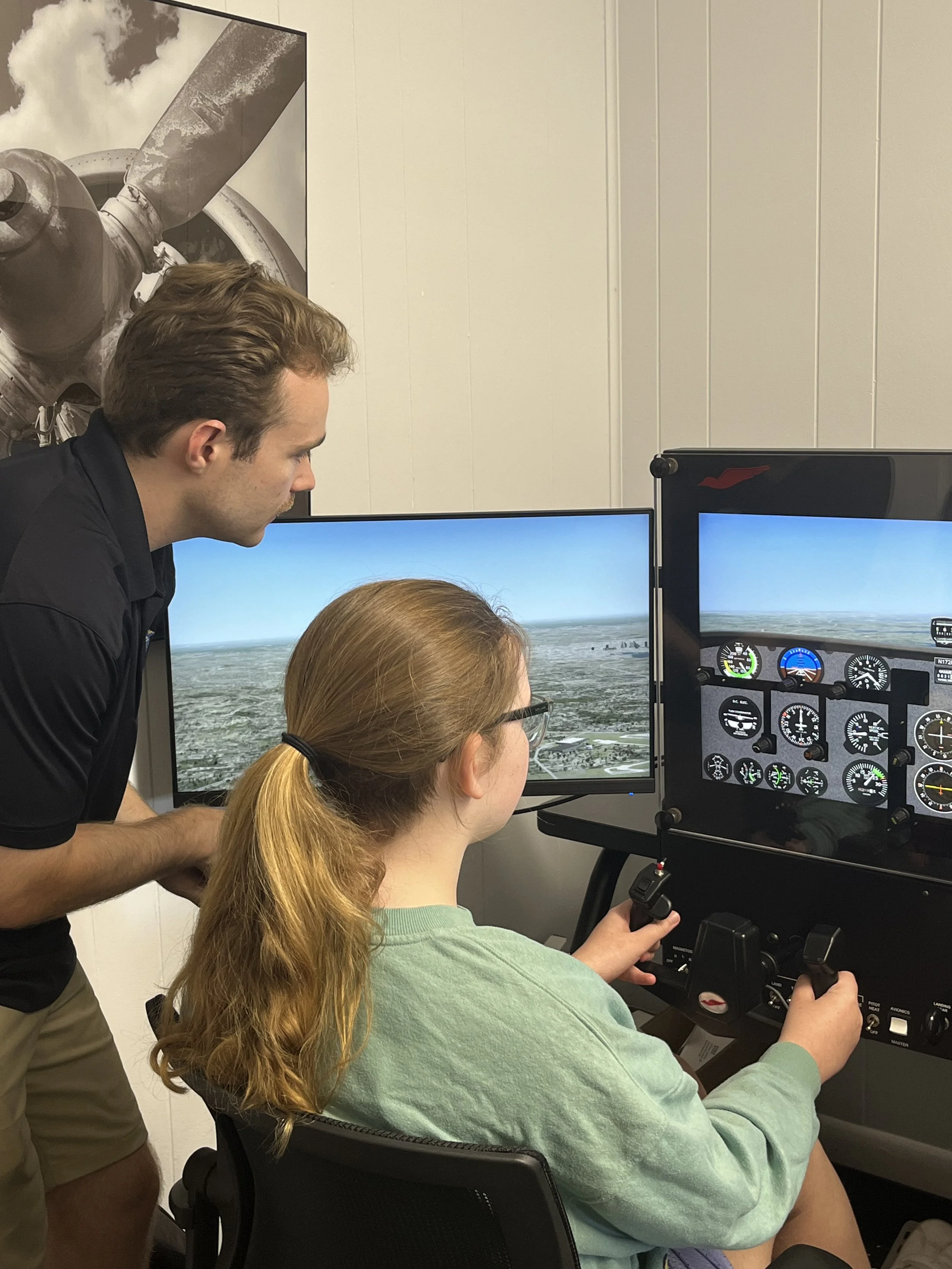
We strongly recommend that cadets use the flight simulator between actual flight lessons to reinforce what they have learned and maintain familiarity with aircraft procedures.
For younger students, simulator training is particularly valuable because it provides a cost-effective way to remain engaged with aviation between flights.
Simulator sessions can be used to practice:
Cockpit procedures
Checklist usage
Navigation
Radio communications
Flight planning
Basic aircraft control
Emergency procedures
Instrument familiarization
Our Recommendation
We recommend that cadets schedule approximately one simulator session per week, ideally with a CFI, between flight lessons.
This helps students retain what they learned during their previous flight and prevents long gaps between lessons from causing them to lose proficiency.
Start with an Introductory Flight
Before beginning the Cadet Program, we recommend starting with an Introductory Flight.
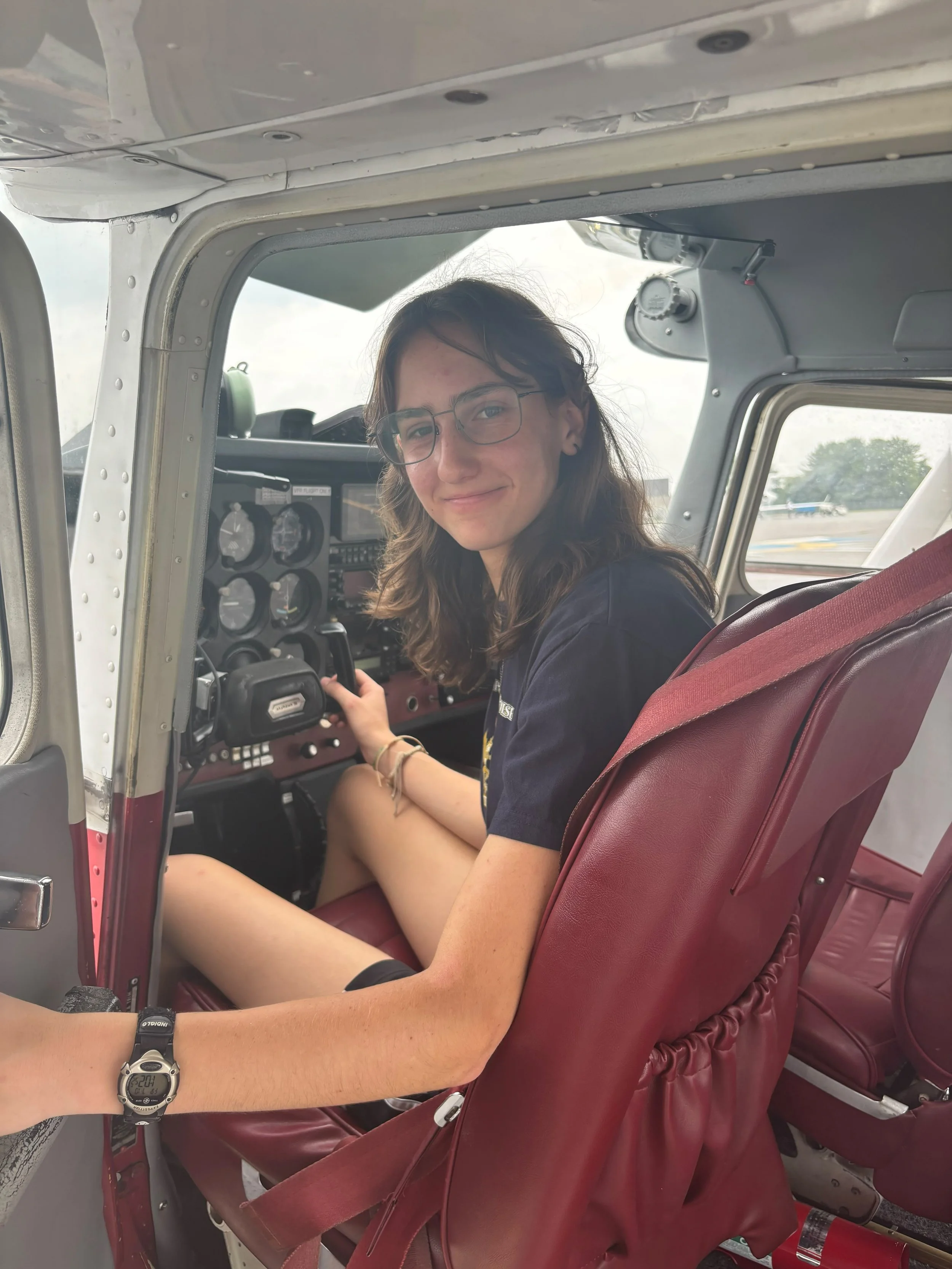
This gives your child the opportunity to experience aviation firsthand, sit in the cockpit, and take the controls of an airplane with a flight instructor. We offer two options for introductory flights that can be purchased through our website, pilotintraining.com. Once this is purchased, call us back to schedule your flight.
After the introductory flight, we can schedule a free consultation at our academy to discuss your child's interests, goals, schedule, and budget.
From there, we can help suggest a training plan designed to keep your child engaged and progressing toward their first solo flight and, ultimately, their Private Pilot License.
OUR RATES
Aircraft
$190
Per Hour
Average aircraft rental rates on the market are $185 - $220 per hour
Instructor
$70
Per Hour
Average instructor rates on the market are
$70 - $85
Note: Pilot in Training Flight Academy is charging Fuel Surcharge due to rapid increase in fuel prices. Please contact Pilot in Training Flight Academy for more accurate rates.
Simulator Training
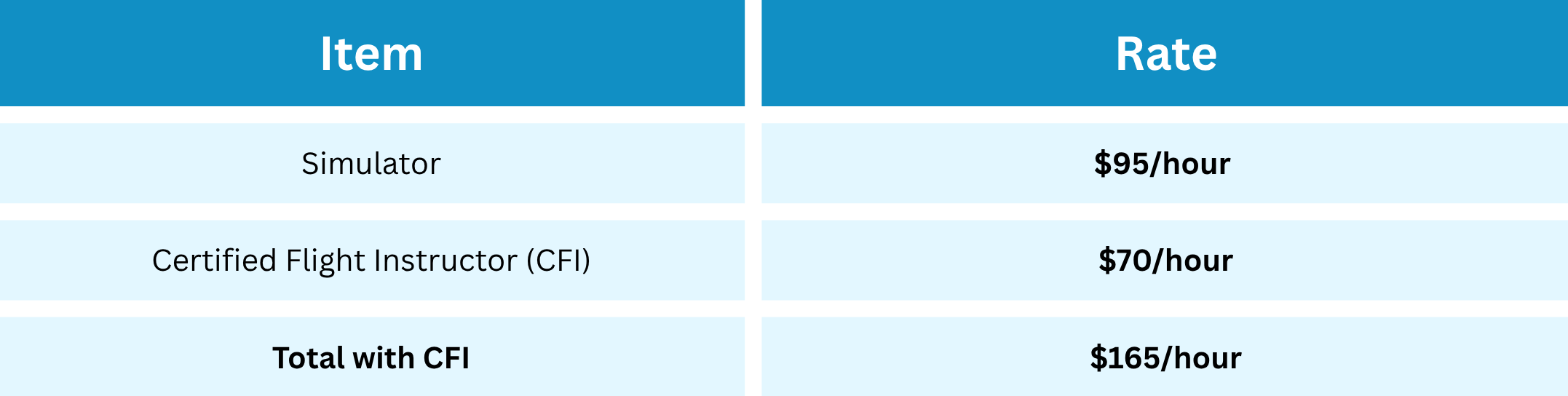
Simulator training provides an affordable way for cadets to reinforce their skills and remain engaged with flight training between actual flights.
Ground School
Tuition: $750
10-week program
One evening per week
6:30–9:00 PM
Tuesday, Wednesday, or Thursday options
Maximum of 8 students per class
Our Approach
The Cadet Program is designed around long-term development rather than rushing toward a license.
Aviation is a combination of knowledge, skill, judgment, and experience. We want our cadets to develop all four.
For our youngest students, that may mean an occasional flight combined with regular simulator practice and exposure to aviation concepts. As students get older, their training can become more frequent and increasingly focused on preparing for the FAA knowledge test, pre-solo requirements, and eventually their first solo flight.
By the time a cadet reaches the age at which they can legally solo, our goal is for them to already have a strong foundation of aviation knowledge, cockpit experience, and confidence.
We want our cadets to be ready—not simply old enough—to take the next step.